
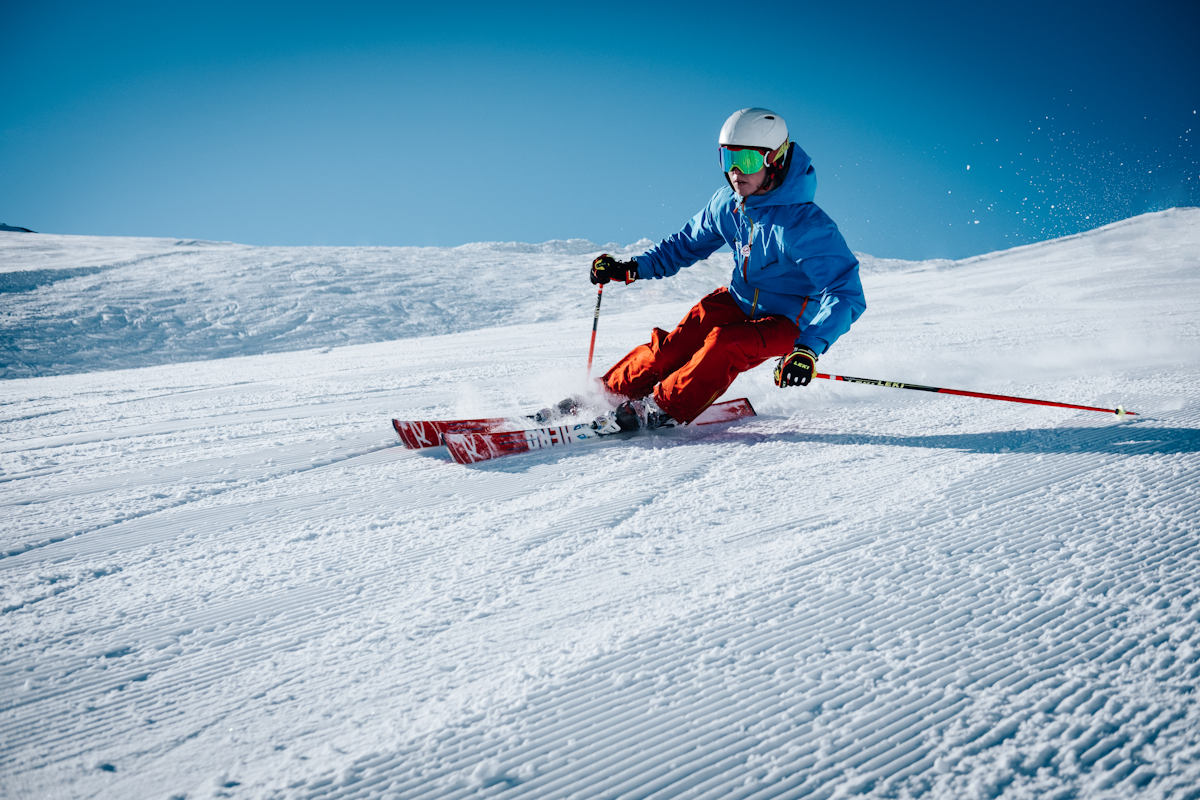
Regular vs Goofy Stance: Which Foot Forward Defines Your Entire Snowboard Journey?
One question above all others will define the way you move on snow for the rest of your life: do you lead with your left foot or your right? Understanding regular vs goofy stance isn’t just a beginner checkbox — it’s the biomechanical foundation of everything from your first green run to your thousandth park hit. Get this right and progression clicks. Get it wrong and you’ll spend years fighting your own body.

What Is Snowboard Stance? Understanding the Building Block of Board Sports
If you’ve spent any time around skateparks, surf breaks, or snowy mountain slopes, you’ve heard the words “regular” and “goofy” thrown around — sometimes with the casual confidence of someone who’s never really explained what they mean. Snowboard stance refers to the orientation of your body on the board: specifically, which of your two feet points toward the nose (tip) of the board as you ride downhill.
This isn’t a choice you make the way you’d pick a board shape or boot flex. Stance is determined by your neuromuscular programming — the way your central nervous system has wired your body to react to balance challenges since you were a toddler. It’s why the same person who rides regular on a snowboard will almost certainly ride regular on a surfboard, a skateboard, and even a wakeboard. The brain doesn’t care which sport you’re doing; it knows which foot it trusts.
Snowboard stance = which foot you place forward (toward the nose) while riding. Your forward foot is your dominant balancing foot, and your back foot is your drive and steering foot. This distinction affects everything: how you turn, how you jump, how you stop, and how you spin.
Stance isn’t just about comfort — it’s about biomechanical efficiency. When you’re in the correct stance, your hips, knees, and ankles all align in their natural power chain. Your proprioceptive system (the sense of body position that lives in your joints and muscles) fires optimally. Your edge control becomes intuitive rather than forced. Riding in the wrong stance is a bit like writing with your non-dominant hand: technically possible, but exhausting and prone to error.
The overwhelming majority of snowboarders — somewhere around 70 percent — ride regular. This mirrors the global population split on foot dominance: roughly the same proportion of people are right-footed, which correlates strongly with regular stance. But 30 percent riding goofy is no small minority, and plenty of elite, legendary riders have built their entire careers with the right foot forward.
Understanding stance also matters when you’re choosing your first board. Whether you opt for a directional or twin shape will interact directly with your stance and riding goals, so getting the stance question right first makes every subsequent gear decision simpler.

Burton Cartel X Bindings — Set Up for Your Stance
Industry-leading bindings designed to fine-tune your stance angles for both regular and goofy riders. Precise cant, angle, and stance width adjustment straight out of the box.
View on Amazon →Regular vs Goofy Stance: A Clear, No-Nonsense Definition
Regular
70% of all snowboardersLeft foot forward, right foot back. You face to the right (toeside) on a standard heel-to-toe orientation. Most common among right-footed, right-handed people.
Goofy
30% of all snowboardersRight foot forward, left foot back. You face to the left (toeside) on a standard orientation. Common among left-footed people, but also many right-handers.
Let’s be absolutely clear about one thing before we go any further: the word “goofy” carries zero negative connotation in board sports culture. It dates back to the 1950s skateboarding scene and simply described the less common stance. Today, it’s purely technical terminology, and any rider who uses it as an insult is showing their own ignorance rather than making a valid point.
The Origin of “Goofy Foot”
The etymology of “goofy foot” traces to early surf culture on the beaches of California and Hawaii. Some historians point to the 1959 Disney film “Goofy’s Art of Skiing” — which showed the beloved cartoon character skiing right-foot-forward in an exaggerated, clumsy manner — as the origin. Others attribute it more broadly to the early surf community, who called the less common right-foot-forward stance “goofy” simply because it looked unusual to the majority of riders who led with their left.
Regardless of origin, the term stuck across all board sports: skateboarding, surfing, wakeboarding, snowboarding, longboarding, and even sandboarding all use regular and goofy to describe stance orientation in the same way.
| Feature | Regular Stance | Goofy Stance |
|---|---|---|
| Forward Foot | Left Foot | Right Foot |
| Back Foot | Right Foot | Left Foot |
| Rider Faces | Right (toeside) | Left (toeside) |
| Prevalence | ~70% of riders | ~30% of riders |
| Common In | Right-foot dominant people | Left-foot dominant people |
| Switch Riding | Mimics goofy stance | Mimics regular stance |
| Natural Heel-Side Turn | Turns left (toward mountain) | Turns right (toward mountain) |
| Natural Toe-Side Turn | Turns right (away from mountain) | Turns left (away from mountain) |
| Frontside Spin Tendency | Clockwise (left rotation) | Counterclockwise (right rotation) |
| Board Setup | Left binding forward | Right binding forward |
Directional Boards and Stance: Why It Matters
If you’re riding a directional board, your stance choice has a tangible effect on how the board performs. Directional boards are built with a longer nose and stiffer tail, designed to be ridden in one direction only. A regular rider on a directional board will naturally load the nose for float in powder; a goofy rider on the same board will need to ensure they’re setting it up correctly so the designated nose is actually pointing downhill, in front of their forward foot.
True twin boards — perfectly symmetrical from nose to tail — are theoretically indifferent to stance, which is one reason they’re so popular for park riding and switch work. If you’re just getting started and haven’t locked in your stance confidence yet, a twin board gives you more margin for error while you figure things out. For a deeper look at how board shape interacts with riding style, the camber vs rocker debate is worth exploring once you’ve nailed your stance basics.
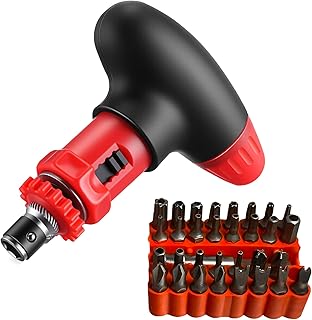
Snowboard Binding Stance Angle Measurement Tool
Precisely dial in your front and back binding angles for regular or goofy setup. Essential for optimizing your stance width and angle for maximum control.
Check Price on Amazon →How to Find Your Snowboard Stance: 6 Proven Tests That Actually Work
Finding your natural stance is one of those problems that sounds trivial until you’re standing in a rental shop staring blankly at a snowboard while a slightly impatient shop attendant waits for your answer. The good news: there are multiple reliable methods, and they take less than five minutes total. Better still, you can do most of them right now, wherever you’re sitting.
Figure 1 — Regular (left foot forward) vs Goofy (right foot forward) foot position on the board.
The Push Test (Most Reliable)
Stand normally, feet about hip-width apart, arms relaxed at your sides. Ask a friend (or use a wall you walk toward) to give you a surprise push from behind. Do not warn yourself. The foot you instinctively lurch forward with to catch your fall is your front foot. If your left foot shoots forward: regular. Right foot forward: goofy. This test works because it bypasses conscious decision-making and reveals what your nervous system does automatically under balance stress — exactly the conditions you experience on a snowboard.
The Sliding Sock Test
Find a smooth hardwood or tile floor in your socks. Take a short running start and slide. Whichever foot you naturally put forward to lead the slide is almost certainly your snowboard front foot. Most people do this without thinking — the body just knows. Try it several times and see if the same foot leads consistently. If it does, that’s your stance foot. This test is surprisingly reliable and is actually used by some beginner snowboard instructors as a warm-up exercise.
The Stairs Dominant Step Test
Walk toward a flight of stairs and notice — without thinking about it — which foot you place on the first step. Most people will instinctively lead with their dominant foot. If you consistently step up with your left foot first, you likely ride regular. Right foot first typically indicates goofy. While not as definitive as the push test, this method reveals a consistent preference that correlates well with snowboard stance, especially when combined with other tests.
The Soccer Ball Kick Test
Place a ball on the floor in front of you and kick it — without overthinking. The foot you kick with is typically your dominant back foot on the snowboard (the one that does the work), meaning the other foot is your front foot. If you kick with your right foot: regular stance. Kick with your left foot: goofy stance. This test isolates power-foot dominance rather than balance-foot dominance, but since most people’s balance and power feet are complementary, it’s a solid cross-check.
The Skateboard / Balance Board Test
If you have access to a skateboard, balance board, or even a smooth board on carpet, step onto it and notice which orientation feels stable. You’ll naturally orient yourself the way your body feels balanced. Take a few “pushes” and see which foot you push with — push foot = back foot. If you consistently push with your right foot: you’re likely regular. Push with your left: goofy. Having a training balance board is also excellent for building the core stability and leg strength that transfers directly to snowboarding.
The Handedness Cross-Check
While hand dominance doesn’t directly determine stance, there’s a statistical correlation worth using as a tiebreaker. Right-handed people are regular about 75% of the time. Left-handed people are goofy about 65% of the time. If you’ve done the other tests and gotten mixed results, lean toward this correlation. However, be aware that ambidextrous people and left-handers who ride regular (or right-handers who ride goofy) are common enough that you should never use handedness alone as your definitive test.
Pro Tip from Instructors: If you’re teaching someone brand new to snowboarding — whether a child or adult — have them do the push test before touching a board. It takes 10 seconds and eliminates the single most common source of frustration in beginner lessons: discovering you’re in the wrong stance after an hour on snow. See the beginner tips blueprint for more first-day advice.
What If the Tests Give Conflicting Results?
You’ve done three tests and gotten different answers each time. This happens more than people admit. About 5–7% of snowboarders are genuinely “ambistance” — they have no strong natural preference and can learn either stance with equal ease. If you’re in this camp, consider these factors:
- Try both stances on a beginner slope (or even on flat ground with a board strapped on). Spend 15 minutes each way.
- Whichever stance produces more natural heel-edge turns on your first try is usually your natural stance.
- If you’ve previously ridden a skateboard or surfboard, match that stance.
- When in genuine doubt, start regular — the larger community means more instruction resources, tutorial videos, and peer knowledge base available in your natural stance orientation.

Indo Board Balance Trainer for Snowboarders
Practice your stance, core balance, and edge-feel off the mountain. One of the best off-snow training tools to develop the proprioceptive awareness that translates directly to snowboarding.
View on Amazon →The Biomechanics of Snowboard Stance: Why Your Body Knows Best
The reason finding your correct stance matters so much isn’t just comfort — it’s rooted in deep biomechanical principles that govern how your body moves, balances, and generates power. Understanding the science here can transform how you think about everything from stance width to binding angles to injury prevention.
Dominant Foot vs Dominant Leg: A Critical Distinction
Most people conflate foot dominance with leg dominance, but they’re subtly different. Your dominant foot (the one you kick with) is typically your power foot — the one doing the active work in tasks requiring precision. Your dominant foot tends to be your back foot on a snowboard. Your non-dominant foot, by contrast, tends to be your better balance foot — the one you stand on while the other kicks. This is your front foot.
This arrangement makes kinematic sense on a snowboard. The front foot is responsible for pointing the direction of travel, absorbing terrain irregularities, and maintaining balance. The back foot drives the power: it controls edge angle, initiates turns, generates pop for jumps, and dictates speed. Placing your power foot at the back and your balance foot at the front is exactly what your body wants to do.
Figure 2 — Front foot handles balance and direction; back foot drives power, edge control, and pop.
Hip Alignment and the Rotational Power Chain
Stand up and imagine yourself in snowboard stance — sideways, facing your toeside. Notice that your hips are perpendicular to your direction of travel. This is fundamentally different from running, cycling, or skiing, where your hips face forward. This sideways orientation means the way your hips rotate during turns is opposite between regular and goofy riders.
A regular rider making a toe-side turn opens their left hip (front hip) while driving their right hip (back hip) through the arc. A goofy rider does the mirror image. This hip rotation pattern determines which way natural spinning feels most powerful — a concept that matters enormously once you progress to learning jumps and spins. Most riders find that spinning “frontside” (rotating toward their toeside edge) feels more natural because the back hip drives the rotation powerfully.
Knee Tracking and Injury Risk
Your stance has real implications for injury prevention. When your feet are in their natural orientation, your knees track properly over your toes during turns. In the wrong stance, there’s a tendency for the front knee to collapse inward on toe turns — a mechanical fault that significantly increases the risk of ACL and meniscus injuries over time. This is one of the less-discussed reasons why riding in your correct stance matters beyond just performance: it’s genuinely protective for your joints.
For deeper reading on protecting your body on the mountain, the injury prevention guide breaks down the most common snowboarding injuries and how proper stance setup (combined with appropriate protective gear) can mitigate your risk significantly. It’s worth reading before your first full season.
Research in sports biomechanics shows that athletes performing lateral-movement sports (snowboarding, skateboarding, surfing) in their non-dominant stance have measurably slower reaction times, higher muscular effort per movement, and reduced proprioceptive accuracy. In practical terms: wrong stance = harder work for worse results.
Proprioception and Stance: The Sixth Sense of Balance
Proprioception — your body’s ability to sense its own position in space without looking — is arguably the most important physical attribute for snowboarding. It’s what lets experienced riders “feel” the snow through their boots, adjust their weight distribution mid-turn, and stick landings without looking at their feet. Proprioception is highly lateralized: your nervous system has developed much more refined position-sensing on the dominant side of each joint.
When you’re in your correct stance, your front foot’s ankle joint is doing the primary proprioceptive reading of the terrain. That ankle has thousands of hours of experience processing balance information in exactly this orientation. In the wrong stance, you’re asking your weaker proprioceptive system to do the heavy lifting — and the difference is felt immediately in how “connected” you feel to the board.
Board Setup for Regular and Goofy Riders: Angles, Width & Positioning
Once you know your stance, you need to translate that knowledge into actual hardware settings. Binding setup is one of those topics where there’s genuine science mixed with personal preference — but every setup conversation starts from the same two foundational questions: which foot goes forward, and at what angles?
Binding Orientation: The Basics
This one is simple. Regular riders place their left binding at the front (nose-side) disc and their right binding at the back (tail-side) disc. Goofy riders do the exact opposite: right binding forward, left binding back. Every other setup consideration is identical between stances — only the orientation differs.
| Setting | Regular Setup | Goofy Setup | Notes |
|---|---|---|---|
| Front Binding | Left foot | Right foot | Toward nose of board |
| Back Binding | Right foot | Left foot | Toward tail of board |
| Front Angle (start) | +15° to +21° | +15° to +21° | Positive = toe-side duck |
| Back Angle (start) | -6° to 0° | -6° to 0° | Negative = tail duck-out |
| Stance Width (start) | Shoulder-width ± 1″ | Shoulder-width ± 1″ | Varies by height/riding style |
| Park Setup (duck) | +15°F / -15°B | +15°F / -15°B | Symmetric for switch riding |
| All-Mountain Setup | +18°F / -3°B | +18°F / -3°B | Forward lean favors riding natural stance |
| Powder/Freeride Setup | +21°F / +6°B | +21°F / +6°B | Both angles positive for forward drive |
| Setback (directional) | Toward tail | Toward tail | Lifts nose in powder |
Understanding Binding Angles
Binding angles describe how your bindings are rotated on the board’s disc mounts. A positive angle rotates your foot toward the nose (toes point forward). A negative angle rotates your foot toward the tail (toes point backward, toward the nose of someone behind you). Zero degrees places your foot perfectly perpendicular to the board’s edge.
Figure 3 — Binding angle orientation for a standard all-mountain setup. Values are identical for regular and goofy; only the foot identity changes.
Stance Width: Finding Your Natural Power Base
Stance width — the distance between your bindings — is the other critical setup dimension. Starting point is shoulder width, measured from the outside of each shoulder. From there, you dial in based on riding style: wider stances (1–2 inches beyond shoulder width) provide more stability for park tricks and pipe riding; narrower stances feel more responsive for carving and all-mountain agility.
To measure your ideal starting stance width precisely, stand in athletic position — slight squat, feet directly under your shoulders, weight balanced. Measure between the inside edges of your feet. That’s your baseline. Set your bindings to the closest disc holes on your board that match this measurement.
Important for Beginners: Many rental boards are set at center stance with a mild duck angle (+15°/-15°) that works for both regular and goofy riders without any adjustment. This is intentional — it’s why you need to tell the rental shop your stance so they can orient the nose of the board correctly, even if the angles stay the same. For a full look at how your snowboard stance setup affects every aspect of your ride, the detailed stance guide breaks down every variable.
How the Right Bindings Support Your Stance
Binding quality matters enormously for stance expression. A stiff binding with poor lateral flex won’t allow you to feel the board’s edge changes through your ankles — a crucial part of stance-based riding. Look for bindings with a flex rating appropriate to your riding style: softer flex (3–5) for freestyle/park, medium flex (5–7) for all-mountain, and stiffer flex (7–10) for carving and aggressive freeride. The complete bindings guide walks through every feature that matters for your specific riding style and stance setup.

Union Force Bindings — Versatile for All Stances
One of the most dialed all-mountain bindings on the market. Easy stance angle adjustment, Duraflex frame with just enough flex for both regular and goofy all-mountain riding.
Check Price on Amazon →Riding Switch: The Art of Going the Other Direction
“Switch” is the term for riding in your non-natural stance — a regular rider going goofy, or a goofy rider going regular. It’s one of the most important skills in snowboarding, a milestone that separates intermediates from advancing riders, and a prerequisite for virtually all freestyle progression beyond basic jumps.
Figure 4 — Switch riding simply means the tail becomes the nose and vice versa, with your non-dominant foot now leading.
Why Every Snowboarder Should Learn to Ride Switch
The answer depends on your goals, but even for primarily all-mountain riders (not just park hounds), switch ability unlocks important skills. Here’s why switch matters across different riding contexts:
- Park and freestyle: Nearly every rail trick, box feature, and jump is also performed switch. Many contest runs require switch landings from spins. A 180 naturally lands switch. A 360 lands natural. Knowing switch is fundamental.
- All-mountain exploration: Switchbacks on terrain features, tight tree shots, and natural hits often present themselves in directions that require riding switch for a few turns. Being comfortable switch expands where you can go.
- Linked heelside turns: Interestingly, practicing switch riding dramatically improves your heelside turns in your natural stance — because switch forces your body to learn heelside turns from a weaker motor pattern, which then reinforces the correct mechanics when you return to natural stance.
- Peer culture and progression: In snowboarding culture, being able to ride switch is a respected competency. Many “tests” of rider skill in park settings involve switch runs or switch tricks as a baseline.
How to Start Riding Switch: A Progressive Approach
The key to learning switch is that it feels much more awkward than you expect — especially the first time you try to execute a switch heelside turn, which requires trusting a hip orientation your body has no muscle memory for. Here’s a proven progression:
- Start on a dead-flat section or very gentle slope. Simply ride in switch stance without trying to turn. Get comfortable with the sensation of your non-dominant foot leading.
- Practice gentle falling leaf (pendulum) movements on a shallow slope, using your edges to slide laterally while staying in switch. This builds edge feel without requiring full turns.
- Progress to linked toeside turns in switch — these tend to come more naturally since the hip mechanics are similar to your heelside turns in natural stance.
- Work on switch heelside turns — the hard one. Focus on opening your chest toward the fall line and driving your back hip (which is actually your stronger hip in natural stance).
- Link switch turns on easy terrain for a full run before moving to more challenging slopes.
For those specifically focused on building the foundational technique needed to progress through switch riding and into more advanced movements, the freestyle progression guide maps out the complete skill ladder from beginner switch comfort to advanced switch park riding.
How Your Stance Shapes Your Park Game: Spins, Rails, and Halfpipe
Once you step into a terrain park, your stance stops being just a preference and becomes a technical variable with real performance implications. The direction you spin, the rails you approach from the left vs right, the way you pop off kickers — all of it is influenced by whether you lead with your left foot or your right.
Spinning: Frontside vs Backside and Stance
This is where regular vs goofy gets genuinely interesting from a freestyle perspective. In snowboarding, “frontside” means rotating toward your toeside edge; “backside” means rotating toward your heelside edge. Which direction is frontside depends on your stance:
| Rotation Direction | Regular Rider Sees It As | Goofy Rider Sees It As |
|---|---|---|
| Clockwise (viewed from above) | Frontside | Backside |
| Counterclockwise (viewed from above) | Backside | Frontside |
| Frontside 180 Landing | Lands switch (goofy) | Lands switch (regular) |
| Backside 180 Landing | Lands switch (goofy) | Lands switch (regular) |
| 360 Landing | Lands natural (regular) | Lands natural (goofy) |
| 540 Landing | Lands switch (goofy) | Lands switch (regular) |
The Rotation Equivalency Principle: Regular and goofy riders performing the same trick in opposing directions are doing the same motion from a biomechanical standpoint — they’re just mirror images of each other. A regular rider’s backside 360 and a goofy rider’s frontside 360 feel identical from inside the trick. This is why parkboard film crews often want to capture both regular and goofy riders on the same feature — the visual is completely different even when the difficulty is the same.
Rail Riding and Stance
Your stance determines your natural body orientation on rails and boxes. On a standard straight rail, regular riders approach with their right side (back) facing the feature; goofy riders approach with their left side. For on-snow park progression, this means your natural “frontside boardslide” (crossing the rail to face downhill) goes in different directions depending on your stance, and the approach angle to features needs to be calibrated accordingly.
Flat-based tricks like 50-50 grinds and boardslides are technically equivalent for both stances — the body mechanics are identical, just mirrored. The real difference appears in more complex grinds like nose-to-tailslides, where the direction of travel across the rail interacts with your stance-determined strong hip for different rotational entries and exits.
Halfpipe Riding: Regular vs Goofy Wall Preference
In the halfpipe, regular riders typically find their left wall (the “frontside wall” for them — the one they face on the way up) more comfortable for learning, while goofy riders find their right wall more natural. This is because the frontside wall allows you to see the landing clearly throughout the rotation, while the backside wall requires rotating blind. Most pipe riders develop their frontside wall first and then work on backside wall progression.
For footwear that keeps your stance locked and responsive throughout park features, especially during landings where lateral forces are significant, the right boot choice is crucial. The best snowboard boots guide breaks down exactly which boots provide the heel lock and lateral response that park riding demands.

Wrist Guards for Park & Learning — Protective Gear Essential
When you’re working on switch tricks, new park features, and progressive riding, wrist protection is non-negotiable. High-impact guards that don’t compromise your feel for the board.
Shop Wrist Guards →Famous Regular and Goofy Snowboarders: Legends of Both Stances
One of the most effective ways to embrace your natural stance — whatever it is — is to know that some of the greatest snowboarders in history have ridden from both orientations. There is no “elite stance.” The greatest riders in every era have been split between regular and goofy in roughly the same proportions as the general population.
| Rider | Stance | Known For |
|---|---|---|
| Shaun White | Goofy | 3× Olympic Gold, halfpipe legend, most decorated halfpipe competitor in history |
| Terje Haakonsen | Goofy | The godfather of modern freestyle snowboarding; invented countless tricks |
| Mark McMorris | Regular | Triple Olympic medalist, slopestyle specialist, X Games record holder |
| Anna Gasser | Regular | First woman to land a triple cork in competition; Olympic gold medalist |
| Chloe Kim | Regular | Two-time Olympic gold medalist, dominant halfpipe rider of her generation |
| Travis Rice | Regular | Big mountain freeride icon, The Art of Flight filmmaker, slopestyle champion |
| Danny Kass | Goofy | Two-time Olympic silver medalist; known for creative switch tricks |
| Torah Bright | Goofy | Olympic gold medalist in halfpipe; Australia’s greatest snowboarder |
| Sage Kotsenburg | Goofy | First Olympic gold medalist in slopestyle snowboarding (Sochi 2014) |
| Enni Rukajärvi | Regular | Two-time Olympic silver medalist; slopestyle specialist from Finland |
Notice that the greatest halfpipe rider of all time (Shaun White) is goofy, while two of the most dominant women in the sport (Chloe Kim and Anna Gasser) ride regular. The greatest big-mountain freerider of his era (Travis Rice) is regular. These aren’t anomalies — they demonstrate that no stance has an advantage at the highest level. What matters is that you’re riding the stance your body was built for.
The same is true in adjacent board sports: surfing’s greatest champion Kelly Slater rides goofy; skateboarding’s most famous park rider Tony Hawk rides goofy. But surfing’s greatest big-wave rider Laird Hamilton rides regular. Skateboarding’s technical street legend Nyjah Huston rides regular. The sport doesn’t care about your stance — it cares about how well you execute it.
Common Stance Mistakes and How to Fix Them
Even once you’ve identified your correct stance, there are numerous ways that poor setup, bad habits, or incomplete understanding can undermine your riding. These are the most frequent stance-related errors — and their fixes.
Riding in the Wrong Stance (The Most Expensive Mistake)
Signs you might be in the wrong stance: you struggle significantly more with heelside turns than toeside, your back knee keeps collapsing inward, you feel like you’re always fighting the board rather than flowing with it, and your switch stance feels suspiciously natural — sometimes even more comfortable than your supposed “natural” stance. Fix: do the push test again, try the other stance for a full day on an easy slope. If everything suddenly clicks, you were in the wrong stance. It happens, and switching mid-season is absolutely worth the short-term awkwardness.
Binding Angles That Fight Your Natural Hip Rotation
Too many beginners copy binding angles from YouTube videos without accounting for their own anatomy and flexibility. If your front knee is rolling inward or outward on toe turns, your front binding angle is wrong for your body. If your back knee is tracking poorly, your back binding angle needs adjustment. Start with the recommended angles and make small (3°) adjustments per session based on how your knees track. Never change both angles in the same session — you won’t know which change made the difference.
Overly Wide Stance Causing Hip Instability
A stance significantly wider than shoulder width looks stable but actually reduces lateral hip mobility, making carving and turn initiation harder. Many beginners go wide because it feels stable in a static squat, but on a moving board, the reduced hip range of motion limits edge-to-edge transitions. If you can’t smoothly shift your hips from stack-over-heelside to stack-over-toeside without lurching, your stance is probably too wide.
Neglecting to Learn Switch Early Enough
The longer you wait to start learning switch, the more deeply ingrained your natural-stance muscle memory becomes, and the harder switch feels by comparison. The best time to start switch practice is before you’re so comfortable in natural stance that switch feels unbearably awkward. Beginner and early-intermediate riders are actually better positioned to start switch work than riders who’ve ridden natural for several seasons. Introduce switch on easy terrain from your second or third day of riding onward.
Assuming Your Stance Must Match Your Dominant Hand
Countless new snowboarders set themselves up in the wrong stance because they assumed “I’m right-handed, so I must ride regular.” While the correlation exists, it’s not a rule. Foot dominance tests are the only reliable method. A significant proportion of right-handers ride goofy and ride it extremely well. Don’t let handedness assumptions override what your body’s balance tests are actually telling you.
✓ Correct Stance Feels Like
- Heelside and toeside turns feel balanced in difficulty
- Your front knee tracks naturally over your toes
- Edge transitions feel fluid, not forced
- Your hips rotate comfortably through full turn arcs
- The board feels like an extension of your body
- Stopping feels intuitive and controlled
- Balance requires relatively little conscious effort
✗ Wrong Stance Feels Like
- One type of turn (heel or toe) is dramatically harder
- Your front knee keeps rolling inward
- You’re constantly fighting for balance on the front foot
- Your hips feel locked or twisted during turns
- The board feels foreign and unpredictable
- Stopping requires significant conscious effort
- You feel oddly comfortable going backwards (switch)
Are You in the Wrong Stance? A Complete Self-Diagnostic Guide
One of the most common and most frustrating experiences in snowboarding is spending a full season struggling — blaming your skills, your fitness, your gear — when the actual culprit is a mis-identified stance from day one. Here’s a systematic way to diagnose whether your current stance is actually right for you.
Figure 5 — Use this flowchart to self-diagnose whether you might be riding in the wrong stance.
Signs You’ve Been Riding the Wrong Stance for Years
This is more common than you think. Many riders spend two, three, even five seasons wondering why they plateau while their friends with similar fitness levels progress past them. When they finally switch stances, the unlock is dramatic and immediate. Here are the red flags:
- You’ve been snowboarding for multiple seasons but still find heelside turns significantly more terrifying or less controllable than toeside turns (or vice versa).
- Your instructor has noted that your front knee consistently tracks poorly despite years of correction attempts.
- You find that riding switch for a full run actually feels relatively similar in difficulty to riding natural — suggesting your “natural” stance isn’t really natural.
- You’ve tried riding a friend’s board in their setup (which happens to be the opposite stance) and had an unusually good session.
- Your lower back fatigues much faster than riders of comparable fitness — often a sign of compensatory muscle activation from fighting an unnatural stance.
- You came from skateboarding or surfing riding goofy (or regular) but were set up in the opposite stance for snowboarding by a well-meaning but misinformed shop employee.
If three or more of these apply, give the other stance a serious try on a low-pressure practice day. You don’t need to commit immediately — just ride one run in the alternate stance and notice whether your body sigh of relief is audible. Sometimes the switch is instant and obvious. Other times it takes a few runs for the unfamiliarity of the new orientation to settle, so give it at least 2–3 hours before deciding.
Level 3 AASI snowboard instructors report that identifying and correcting stance errors is one of the most impactful interventions they make with intermediate riders. The combination of binding re-setup and a few hours of focused practice in the correct stance often unlocks months of previously blocked progression in a single session.

Protective Impact Shorts — For Stance Experimentation Days
When you’re switching stances or learning new techniques, falls happen. Quality impact shorts protect your hips and tailbone while you develop new muscle memory. Essential protective gear.
Shop Impact Shorts →Gear Considerations for Regular and Goofy Riders
While regular vs goofy stance doesn’t change which gear you should buy per se, it does affect how you set up that gear, what to look for in certain categories, and how to interpret spec sheets and reviews.
Boards: Directional, Twin, and Directional Twin
Your stance choice interacts meaningfully with board shape selection. For regular riders interested in all-mountain and freeride, directional boards are fully natural — the longer nose simply sits in front of your forward (left) foot as intended. For goofy riders, the same applies: a directional board works perfectly as long as you orient it correctly. The key question for any goofy rider buying a directional board is to confirm which end is the nose and ensure it goes in front of their forward (right) foot.
True twin boards — identical nose to tail — are theoretically neutral for both stances and don’t require any orientation consideration. They’re the default choice for park riders of any stance. For a deeper exploration of how board shape interacts with different riding styles, the camber vs rocker profiles guide and the directional vs twin comparison are essential reads.
Boots: The Interface Between You and Your Stance
Boot fit is critical for both stances equally, but goofy riders have historically had slightly fewer options because most boot sizing lasts (the physical mold) are built for the more common regular stance hip-to-foot alignment. The difference is subtle, but some boot brands offer lasts that accommodate a broader range of foot pronation patterns, which can benefit goofy riders with less-common foot shapes.
For any stance, heel lock is the single most important boot performance characteristic. If your heel lifts in the boot during carving or switch turns, you lose direct power transfer to the edge — effectively losing the ability to express your stance properly. The heel lift fix guide covers all the methods for eliminating this stance-killer.
Bindings: Canted Footbeds and Stance Expression
Modern high-end bindings often feature canted footbeds — a slight inward tilt (typically 2–3°) that aligns your ankle, knee, and hip in a more natural lateral plane. This is particularly beneficial for riders with knock-knees or significant inward knee tracking tendencies. Canted footbeds work identically for both regular and goofy setups; they’re simply a feature of the binding itself, not stance-specific.
Highback alignment — where the highback rotates to align with your binding angle — is another important setup element that affects both stances equally but needs to be properly configured after you set your binding angles. Most riders overlook this step and end up with a highback that pushes their ankle in or out unnaturally. The bindings guide covers highback alignment in detail.
Goggles and Helmet: Peripheral Vision by Stance
This is a rarely discussed aspect of stance: your goggle lens and field of view requirements are actually slightly different between regular and goofy riders because of where your head is oriented relative to the fall line. On a standard groomed run, a regular rider’s head is canted with the right side slightly more toward the snow; a goofy rider’s is the opposite. For most recreational riders, a standard spherical lens covers both perspectives adequately — but elite riders, particularly those doing big mountain lines, sometimes consider their dominant scanning direction when selecting lens tints and shapes. The best snowboarding goggles guide covers all the technical aspects of lens selection.
Wax and Base Maintenance: Neutral for All Stances
Base maintenance is completely stance-agnostic — your wax selection, edge tune, and base prep are determined entirely by snow conditions and terrain type, not by whether you ride regular or goofy. That said, understanding proper base care is foundational for any serious rider. The at-home waxing guide and the complete maintenance guide have everything you need for keeping your board performing at its best regardless of stance.
Progression Tips for Regular and Goofy Riders: Unlocking Your Full Potential
Your stance is set. Your board is set up. Now what? Progression in snowboarding follows a fairly predictable arc once you’re in the right stance — but there are specific accelerators that work regardless of whether you ride regular or goofy.
Phase 1: Mastering Basic Stance Expression (Days 1–5)
In your first several days of riding, your primary goal is to feel comfortable in your stance — not to perform any particular technique. Spend time simply riding the gentle terrain, letting your body learn the feel of edge engagement through your correct front and back feet. Avoid the temptation to push into intermediate terrain before your stance has become subconscious.
During this phase, focused instruction is enormously valuable — the cost-to-benefit ratio of professional snowboard lessons, especially in the early days, is exceptional. A qualified instructor can identify stance issues before they become habits. For a frank look at whether instruction is worth the investment, the snowboard instruction cost analysis breaks it down financially and performance-wise.
Phase 2: Building Turn Quality in Natural Stance (Days 5–20)
Once you’ve linked turns on easy blue runs, focus on turn quality rather than speed or terrain variety. Clean heelside and toeside turns — both symmetrical in quality — are the signal that your stance is working correctly. At this stage, begin the very first elements of switch: even a few meters of flat switch gliding per run starts building the neural pathways.
Phase 3: Switch Integration and Terrain Expansion (Season 1–2)
Progressive switch development should run in parallel with natural-stance improvement throughout your first two seasons. Many riders make the mistake of treating switch as “later” — a separate skill to tackle after everything else is figured out. Instead, build switch alongside your natural-stance skills from early on. By the end of your second season, you should be able to ride a full easy run in switch stance without stopping. This opens the door to all freestyle progression.
Fitness and Stance: Your stance works better when the supporting musculature is strong and mobile. Hip flexors, glutes, and core stability directly support the stance positions snowboarding demands. The core strength guide for snowboarders and the pre-season fitness checklist will help you build the physical foundation that makes both your natural and switch riding more capable.
Phase 4: Advanced Technique in Both Stances (Season 2+)
By season three and beyond, the distinction between regular and goofy progressively fades from being a defining characteristic of your riding. You’re no longer thinking about whether you’re a regular or goofy rider — you’re thinking about carving angles, trick progression, powder lines, and the thousand other dimensions of advanced snowboarding. This is the natural destination: a point at which your stance is simply the invisible foundation beneath everything else. If you’ve been curious about the mechanics of carving, that’s one of the most rewarding skills to build once your stance is fully ingrained.
Stance Angles Across the Progression Journey
Your optimal binding angles often change as your riding style evolves. Beginners typically do well with a mild duck stance (+15°/-6° to +15°/0°) because it provides symmetric balance in both directions. Intermediate all-mountain riders often shift to a more forward stance (+18°/-3° or even +21°/+6°) to favor their natural direction of travel. Dedicated park riders typically use a symmetric duck (+15°/-15° to +18°/-18°) that optimizes switch riding. Advanced freeride carvers sometimes go to steep positive angles (+24°/+9°) for maximum drive at high speed. Try small adjustments (3°) at a time and give each change a full day of riding before evaluating.
Figure 6 — How front and back binding angles typically evolve as riders progress from beginner to freeride specialist.
Remember that binding angle optimization is deeply personal. The values above are starting points, not prescriptions. Two riders with identical skill levels and riding styles might thrive on angles that differ by 6–9 degrees based on their individual anatomy, flexibility, and riding intentions. The only way to find your optimal setup is through systematic experimentation — small adjustments, full days of riding, honest evaluation.

Beginner All-Mountain Snowboard Boots — Stance-Ready
Comfortable, supportive boots for riders building their stance expression. Excellent heel lock, responsive flex, and comfortable all-day wear for learning in both natural and switch stance.
View on Amazon →Frequently Asked Questions: Regular vs Goofy Stance
Your Stance Is Your Foundation — Get It Right, and Everything Else Follows
We’ve covered a lot of ground in this guide — from the fundamental definition of regular and goofy stance through the biomechanical science of why it matters, practical tests for finding yours, setup guides for bindings, the art of riding switch, freestyle implications, famous riders from both camps, common mistakes, self-diagnosis for wrong-stance riders, gear considerations, and a full progression roadmap.
If there’s one takeaway to crystallize everything: your snowboard stance is not a choice, it’s a discovery. Your nervous system made the decision decades before you ever stood on a snowboard, programming your balance and power systems around a specific foot-forward orientation. Your only job is to find that natural orientation, honor it in your setup, and then build from that foundation.
Whether you ride regular (left foot forward) like Travis Rice and Chloe Kim, or goofy (right foot forward) like Shaun White and Terje Haakonsen, you’re in excellent company. Neither stance has any advantage. Both have produced Olympic champions, X Games legends, and backcountry icons. What they all have in common is that they found their natural orientation and spent thousands of hours mastering it.
The journey from identifying your stance to riding it with complete fluency — in both directions — is one of the most rewarding progressions in all of snowboarding. Start with the correct foundation, set up your gear properly using the complete stance setup guide, protect yourself with proper safety gear including a quality helmet and wrist guards, and then put in the hours. Everything else in snowboarding is downstream of this first, most fundamental decision.
Now go find your front foot — and go ride.
→ Set Up Your Snowboard Stance Perfectly
Complete Snowboard Starter Package — Board + Bindings + Boots
Everything you need to ride in your correct regular or goofy stance right out of the box. Beginner-optimized packages with stance-adjustable bindings, responsive all-mountain board, and comfortable boots.
View Complete Packages on Amazon →


